



Protect Your Fence Before Gastonia's Winter Ice Storms
PrimeLine Fence • September 15, 2026

Winter in Gastonia, North Carolina brings sudden drops in temperature. Cold rain turns into thick ice quickly. Checking official warnings for Gastonia winter storms reminds us how fast an ice storm can hit our area. Heavy ice buildup puts extra weight on trees and outdoor structures.
Taking care of your yard barrier before freezing temperatures arrive saves you stress and costly repairs. Following state Storm preparedness tips alongside simple home maintenance keeps your property safe all season long. Here is a simple guide from Primeline Fence on how to prepare your property before the next freeze.
Why Gastonia Winter Storms Cause Fence Damage
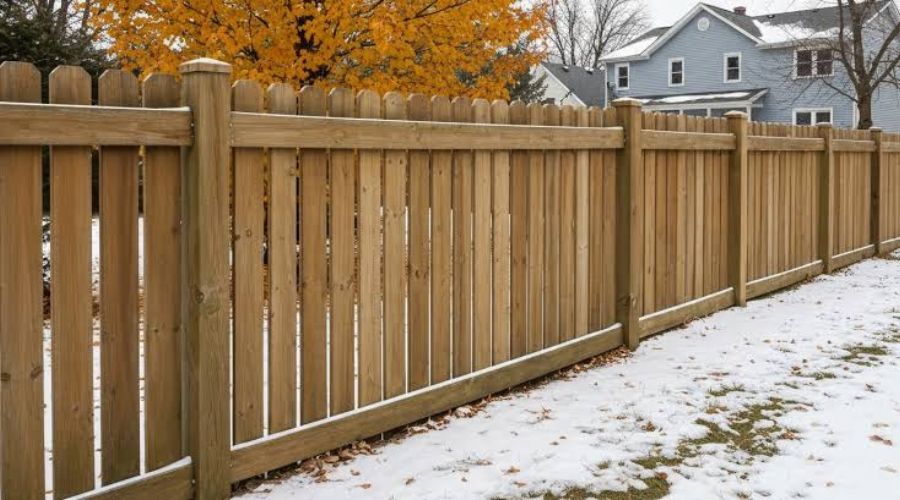
Winter storms in North Carolina bring freezing rain rather than light snow. Rain coats every surface and freezes solid. This ice accumulation creates severe problems for outdoor borders.
First, ice adds weight. A thin coat of ice seems light, but thick buildup weighs down rails and top boards. If a fence is already weak, the extra weight can snap posts or bend metal frames.
Second, tree branches freeze and break. Ice-coated limbs frequently snap off oak and pine trees in Gastonia yards. Falling branches can crush entire sections of your boundary line in seconds.
Third, trapped water freezes and expands. Moisture gets inside tiny cracks in posts and boards. As the water freezes, it expands. This causes wood to split and vinyl to crack open.
Key Steps for Winter Fence Care
You can prevent winter fence damage with a few basic tasks. Follow these practical steps before the first freeze hits Gastonia.
1. Complete a Quick Fence Inspection
Walk around your property line today. Look closely at every post, board, and latch.
- Check for wobbly posts that swing in strong winds.
- Look for rotting wood near the ground line.
- Test your gates to ensure they swing freely and latch tightly.
- Tighten loose screws, nails, and metal brackets.
Fixing loose parts now prevents total breakdown during heavy ice storms.
2. Trim Overhanging Tree Branches
Trees are the biggest threat to your property during winter weather. Walk your perimeter and look up.
- Cut back dead or weak limbs hanging over your panels.
- Clear away branches touching top rails.
- Call a local professional for very large branches near power lines.
Removing weak branches keeps heavy ice from dropping big limbs onto your property line.
3. Clear Wet Leaves and Yard Debris
Leaves collect along the bottom rails during autumn. When wet leaves stay pressed against your boards, water cannot drain away.
- Rake leaves away from the bottom of your panels.
- Clear soil buildup around fence posts.
- Remove wet mulch touching wood surfaces.
Keeping the base clean stops moisture from rotting the bottom of your structures.
4. Seal Natural Materials
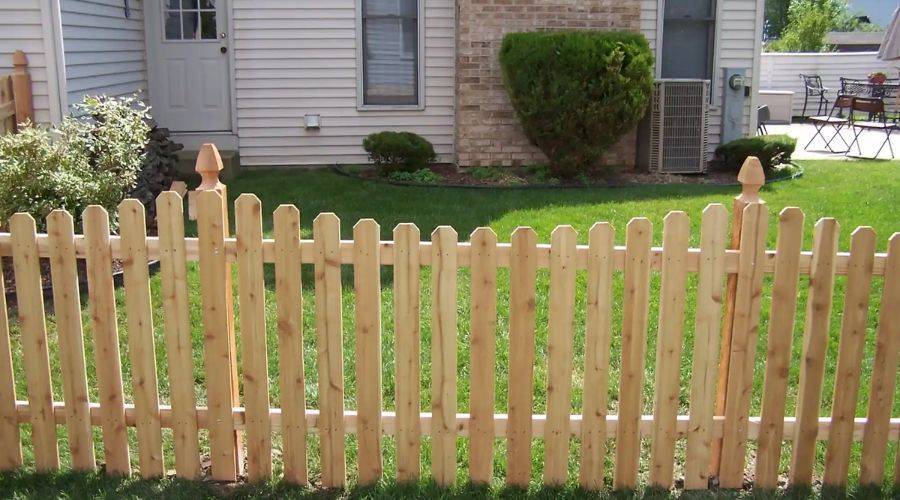
When managing durable wood fencing options, moisture control is essential. Unsealed wood absorbs water like a sponge. When that water freezes, wood fibers split apart.
- Apply a quality waterproof sealant before wet weather starts.
- Clean dirt off the wood surface before applying sealers.
- Let the wood dry completely before temperatures drop below freezing.
A good sealer keeps moisture out so ice cannot break the wood grain.
5. Check Ground Moisture and Post Footings
Soil around fence posts expands when rain freezes underground. Soil movement can tilt post footings out of alignment.
- Walk along your perimeter and push gently on each post.
- Fill in low spots around post bases with gravel or packed soil.
- Add extra bracing to posts that feel unsteady.
Checking post footings keeps your entire structure upright when heavy ice coats the top rails.
Comparing Fence Materials in Freezing Temperatures
Different materials react to winter weather in different ways. Understanding your material helps you protect your yard better.
| Fence Type | Main Winter Risk | Best Protection Tip |
|---|---|---|
| Wood Fencing | Water absorbs into grain, freezes, and splits boards | Apply a fresh coat of waterproof sealer every few years |
| Vinyl Fencing | Cold air makes plastic brittle under impact | Trim overhead branches so falling debris does not crack panels |
| Aluminum Fencing | Soft soil allows posts to shift during freeze cycles | Secure post footings and make sure post caps fit tight |
Upgrading Your Barrier Before Storm Season

Sometimes an old structure is too weak to endure another North Carolina winter storm. If your posts wobble or boards are rotting, replacement is the safest path.
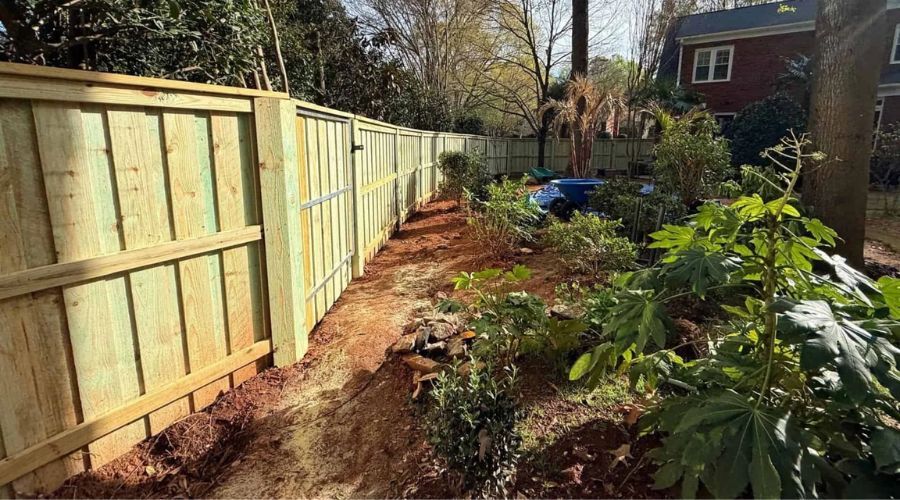
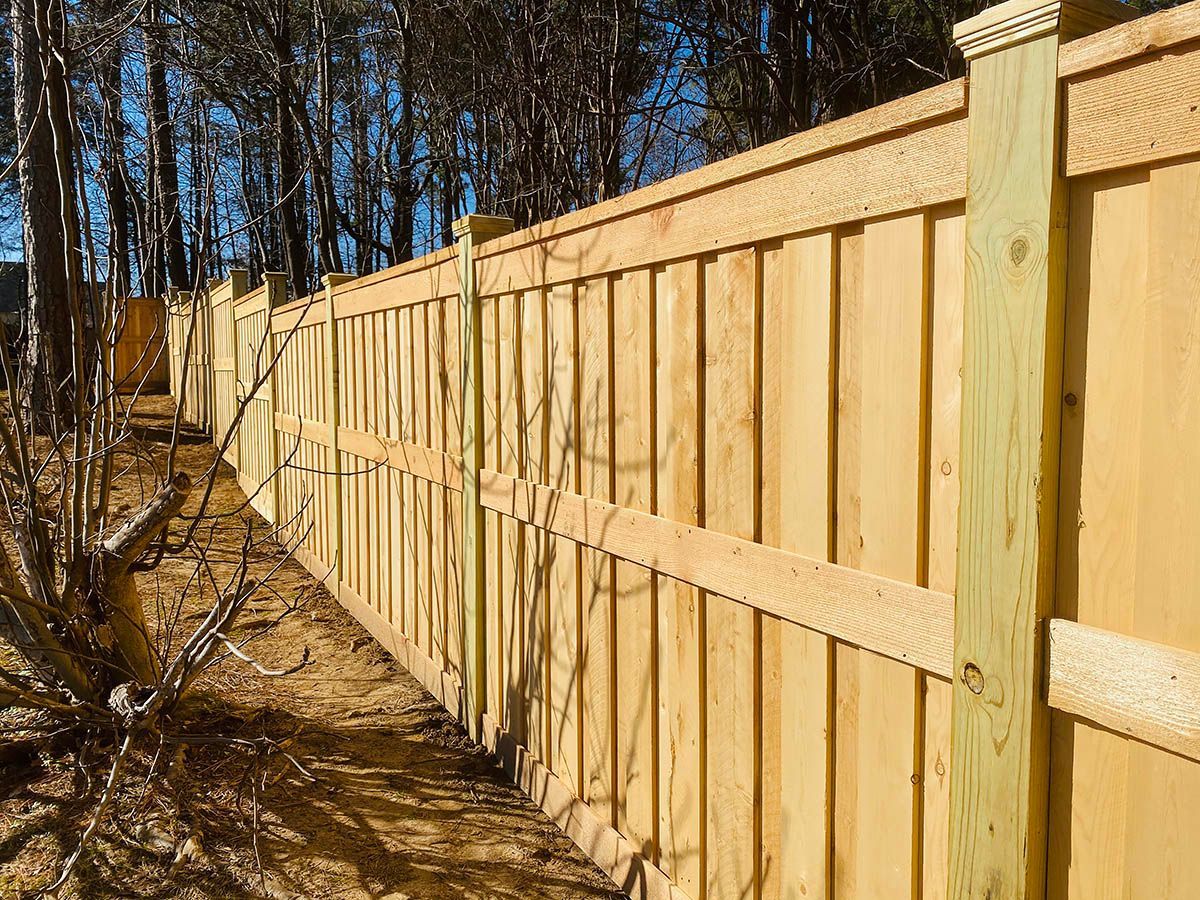
Our team installs winter-ready residential fencing built to handle harsh weather in Gastonia. We work with strong materials that stand up to wind, rain, and heavy ice accumulation.
If your yard has unusual slopes, trees, or tight spaces, we also offer custom fencing for yards built for your exact layout. Getting a fresh, professionally built structure gives you peace of mind all winter long.
Frequently Asked Questions
How does ice accumulation hurt my fence?
Ice adds heavy weight to top rails and fence posts. Water also seeps into small cracks, freezes, expands, and breaks wood or vinyl panels.
Can Primeline Fence install new barriers during winter in Gastonia?
Yes. Our crew works through cold months whenever the ground is workable. Installing a strong boundary early protects your yard through the worst winter weather.
Should I chip heavy ice off my fence panels manually?
No. Chipping ice with tools can scratch wood finishes or break cold vinyl. Let the ice melt naturally as temperatures warm up.
Protect Your Yard with Primeline Fence Today
Do not wait for winter storms to cause costly fence damage on your property. Taking simple maintenance steps now keeps your home safe and secure through every ice storm.
If you need a professional fence inspection, fast repairs, or a full replacement, Primeline Fence is here to help. Our local team serves homeowners throughout Gastonia, North Carolina with honest service and dependable work.
Contact Primeline Fence today to schedule your service or request a free estimate!
EXPLORE MORE FENCING INSIGHTS